 Fine Branded Corporate Gifts
  Card Wine Boxes
 Wooden Wine Boxes
 Leather Wine Boxes
 Wine Hamper
 Champagne Gifts
 All Wine
 Red Wine
 White Wine
 Rose Wine
 Sparkling Wine
 France
 Spain
Spain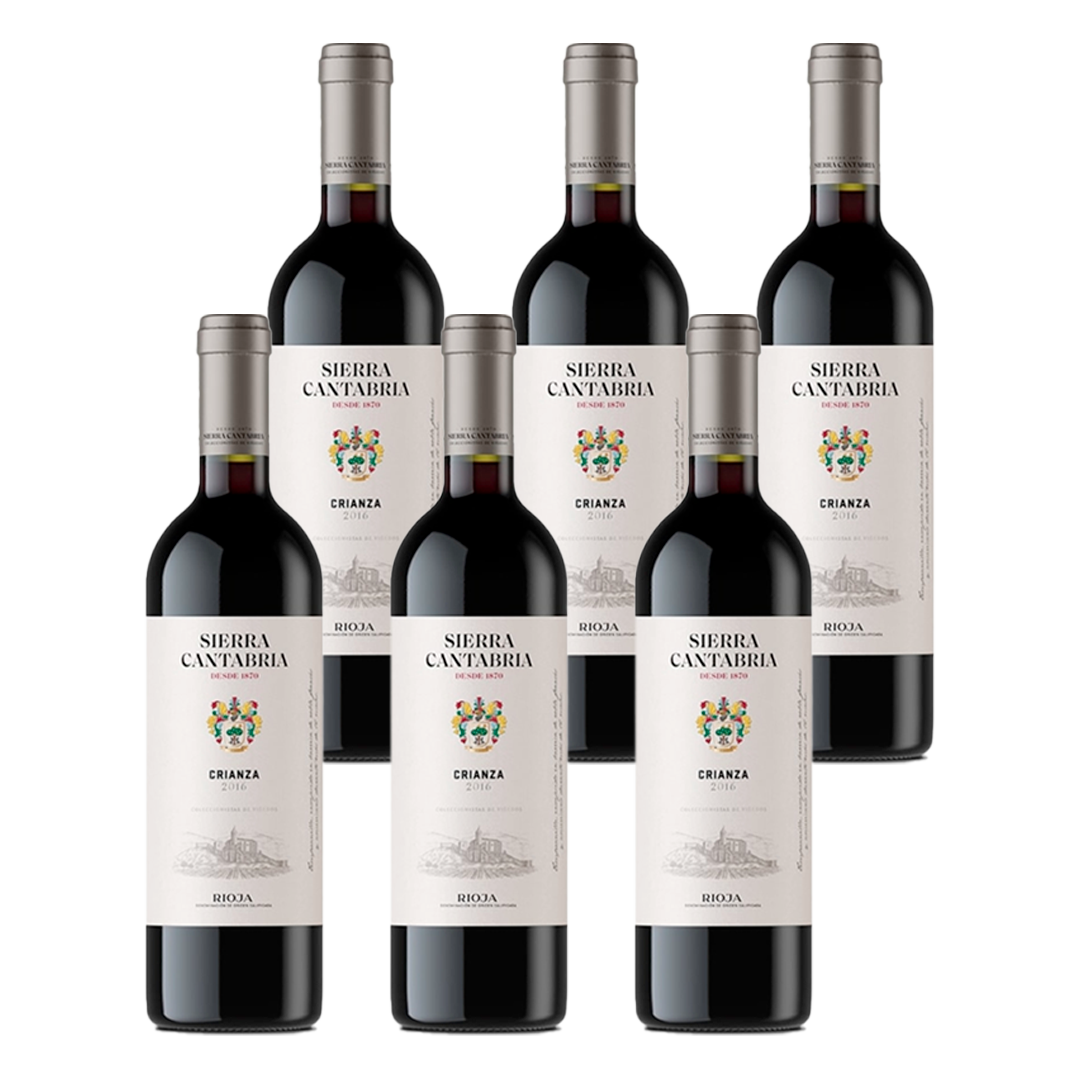 Rioja
Rioja Veneto
 Business Anniversary Wine Gift
 Christmas Wine Gifts
 Corporate Wine Tasting
 Company Events
The History and Meaning Behind Popular Wine Regions Around the World

< Blogs < The History and Meaning Behind Popular Wine Regions Around the World
Wine has been a cornerstone of human civilisation for millennia, intertwining with culture, economy, and social traditions across continents. From ancient rituals to modern-day celebrations, the best wine regions have shaped not only the flavours we savour but also the stories we tell. Exploring famous wine regions reveals a tapestry of history, geography, and innovation that defines global wine production. In this blog, we’ll journey through some of the most iconic wine regions in the world, delving into their origins, cultural significance, and what makes their wines timeless. Whether you’re a seasoned oenophile or a curious beginner, understanding the history of wine regions adds depth to every sip.
The Old World: Europe’s Timeless Wine Heritage
Europe boasts the oldest and most revered wine regions, where viticulture dates back thousands of years. These areas, often called the “Old World,” emphasize terroir, the unique combination of soil, climate, and tradition that imparts distinct characteristics to each bottle. France, Italy, and Spain stand out as powerhouses in wine history, producing over half of the world’s supply.
France: The Epicentre of Wine Excellence
France is synonymous with the best wine regions, and its history of wine production traces back to the 6th century BC when Greek settlers introduced vines to the Mediterranean coast. By the Roman era, viticulture had spread inland, laying the foundation for regions like Bordeaux, Burgundy, and Champagne. Bordeaux wine, for instance, gained prominence in the 12th century through trade with England, evolving into a symbol of luxury and sophistication. The region’s gravelly soils and maritime climate nurture grapes like Cabernet Sauvignon and Merlot, producing robust red wines that age gracefully. The meaning behind Bordeaux lies in its classification system, established in 1855 for the Exposition Universelle in Paris, which ranked châteaux based on reputation and price— a tradition that underscores the French emphasis on heritage and quality.
Burgundy, another gem among famous wine regions, focuses on Pinot Noir and Chardonnay. Its history began with monastic orders in the Middle Ages, where Cistercian monks meticulously mapped vineyards, creating the concept of “climats” (specific plots recognized by UNESCO as a World Heritage site). The cultural significance of Burgundy wines is in their expression of subtlety and elegance, reflecting the monastic pursuit of perfection. Meanwhile, Champagne’s sparkling wines owe their fame to Dom Pérignon, a 17th-century monk who refined bottling techniques, though the region’s effervescent style emerged accidentally from secondary fermentation. Today, Champagne symbolizes celebration worldwide, its history tied to royal courts and festive occasions. These French wine regions embody the essence of terroir, where every vintage tells a story of the land’s enduring legacy.
Italy: A Mosaic of Varietals and Traditions
Italy rival France in wine production, with roots stretching to the Etruscans and Greeks around 800 BC. The country’s diverse landscapes foster over 2,000 grape varieties, making it a treasure trove for wine enthusiasts. Tuscany, home to Chianti and Brunello di Montalcino, exemplifies Italy’s wine history. In the Renaissance era, the Medici family promoted viticulture, elevating Sangiovese-based reds to artistic status. The meaning behind Tuscan wines is rooted in “la dolce vita”, the sweet life, where food, family, and landscape converge. Rolling hills and Mediterranean climate produce bold, food-friendly reds that pair seamlessly with pasta and meats, symbolizing Italy’s communal dining culture.
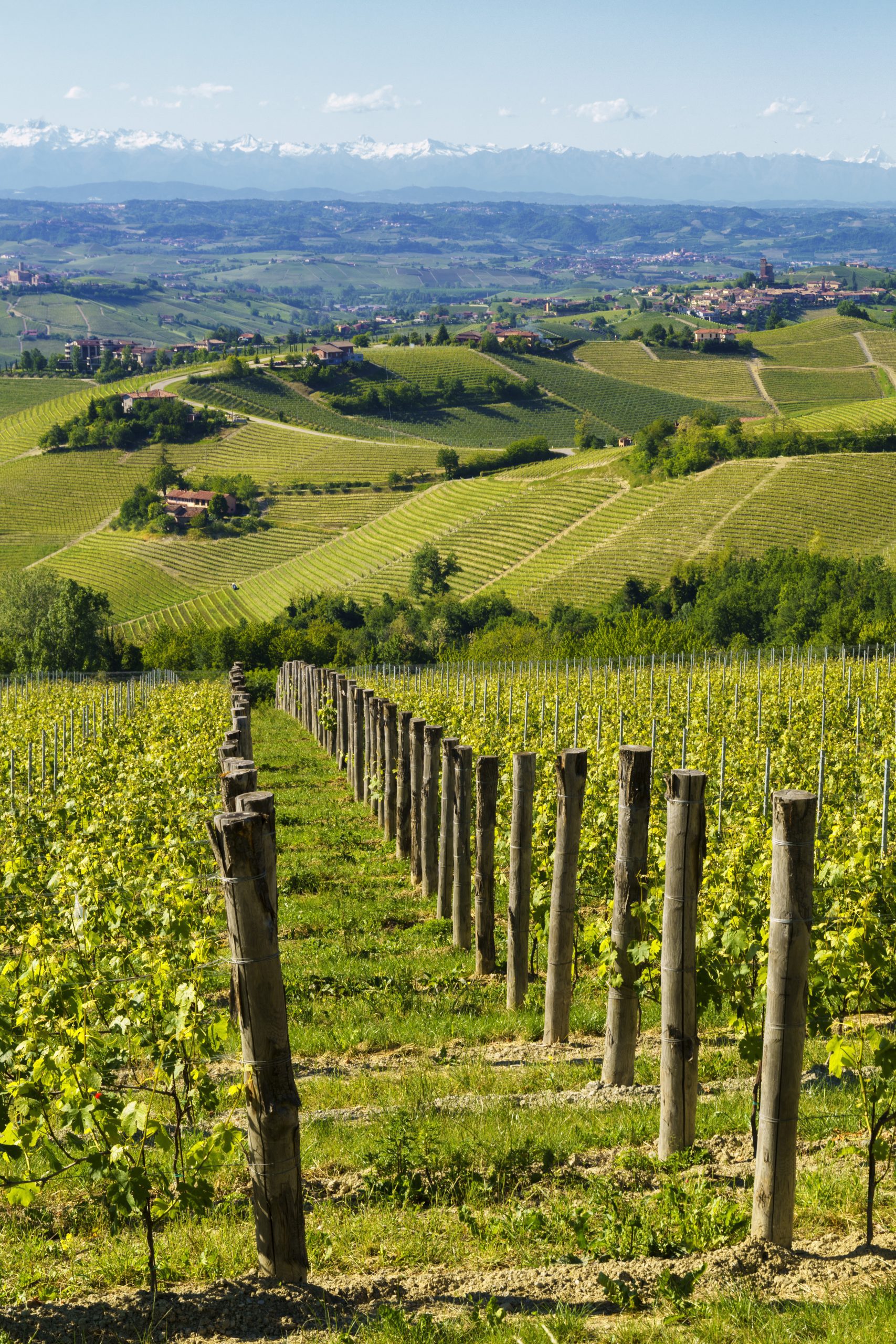
Piedmont, in the northwest, is famed for Barolo and Barbaresco, often called the “king and queen” of Italian wines. Nebbiolo grapes thrive in the foggy Alpine foothills, with production formalised in the 19th century amid unification efforts. The historical significance here lies in its royal connections, Barolo was favoured by the House of Savoy, and its aging potential, representing patience and depth. Veneto’s Prosecco, a lighter sparkling wine, contrasts with these heavies; its history surged in the 20th century with modern methods, embodying joy and accessibility. Italian wine regions highlight diversity, where each area preserves ancient techniques while adapting to global tastes, making them integral to cultural identity.

Spain: Bold Flavours from Ancient Vines
Spain’s wine regions blend Moorish influences with Christian reconquest, dating back to Phoenician times around 1100 BC. Rioja, the most famous, gained international acclaim in the 19th century when French winemakers fled phylloxera (a vine-destroying pest) and brought expertise. Tempranillo dominates, aged in oak for Rioja’s signature vanilla notes. The meaning behind Rioja wines is resilience, surviving invasions and epidemics to become Spain’s flagship export, symbolizing national pride and innovation.
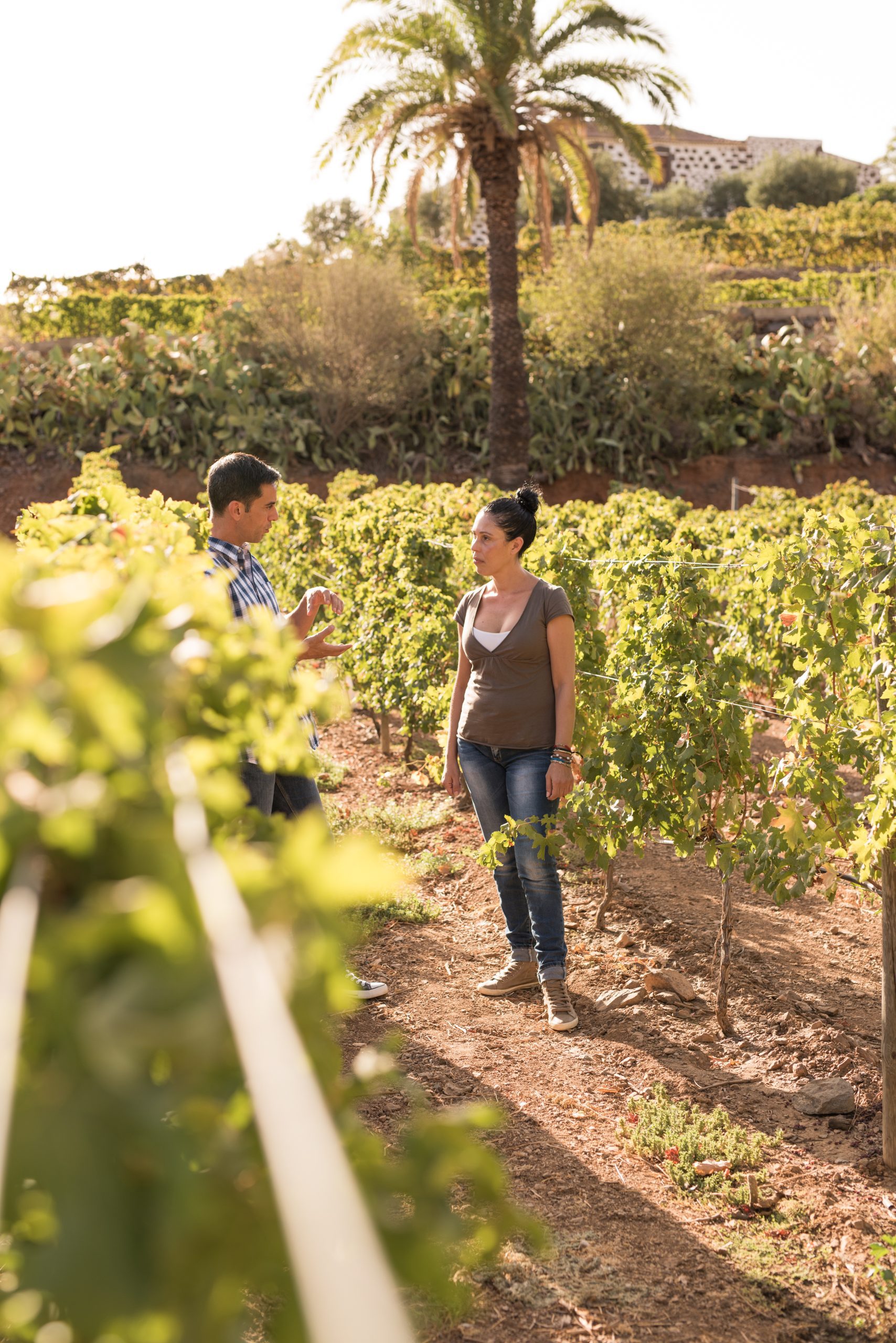
Ribera del Duero, along the Duero River, focuses on intense Tempranillo reds, with history tied to medieval monasteries. Its high-altitude vineyards yield structured wines that reflect Spain’s rugged terrain and passionate spirit. In the south, Sherry from Jerez represents fortified wine traditions introduced by the Moors in the 8th century. The solera aging system, blending vintages, signifies continuity and wisdom passed through generations. Spanish wine regions underscore a balance of tradition and modernity, contributing to the global popularity of red wine and tapas culture.
The New World: Innovation and Exploration in Wine
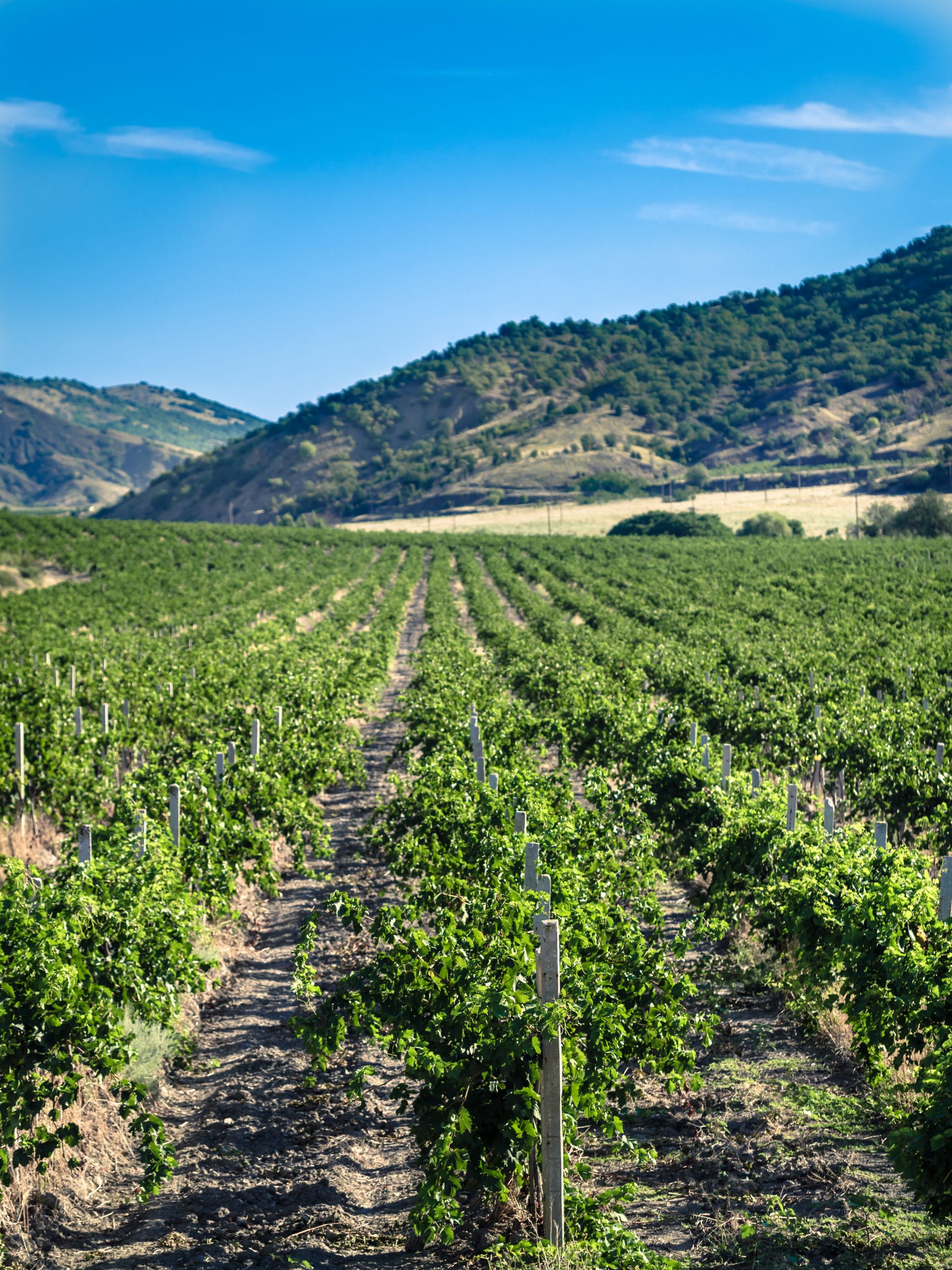
Beyond Europe, “New World” wine regions emerged from colonial expansions, bringing fresh approaches to viticulture. These areas prioritize grape varieties and technology over strict terroir rules, resulting in approachable, fruit-forward wines.
United States: Napa Valley and Beyond
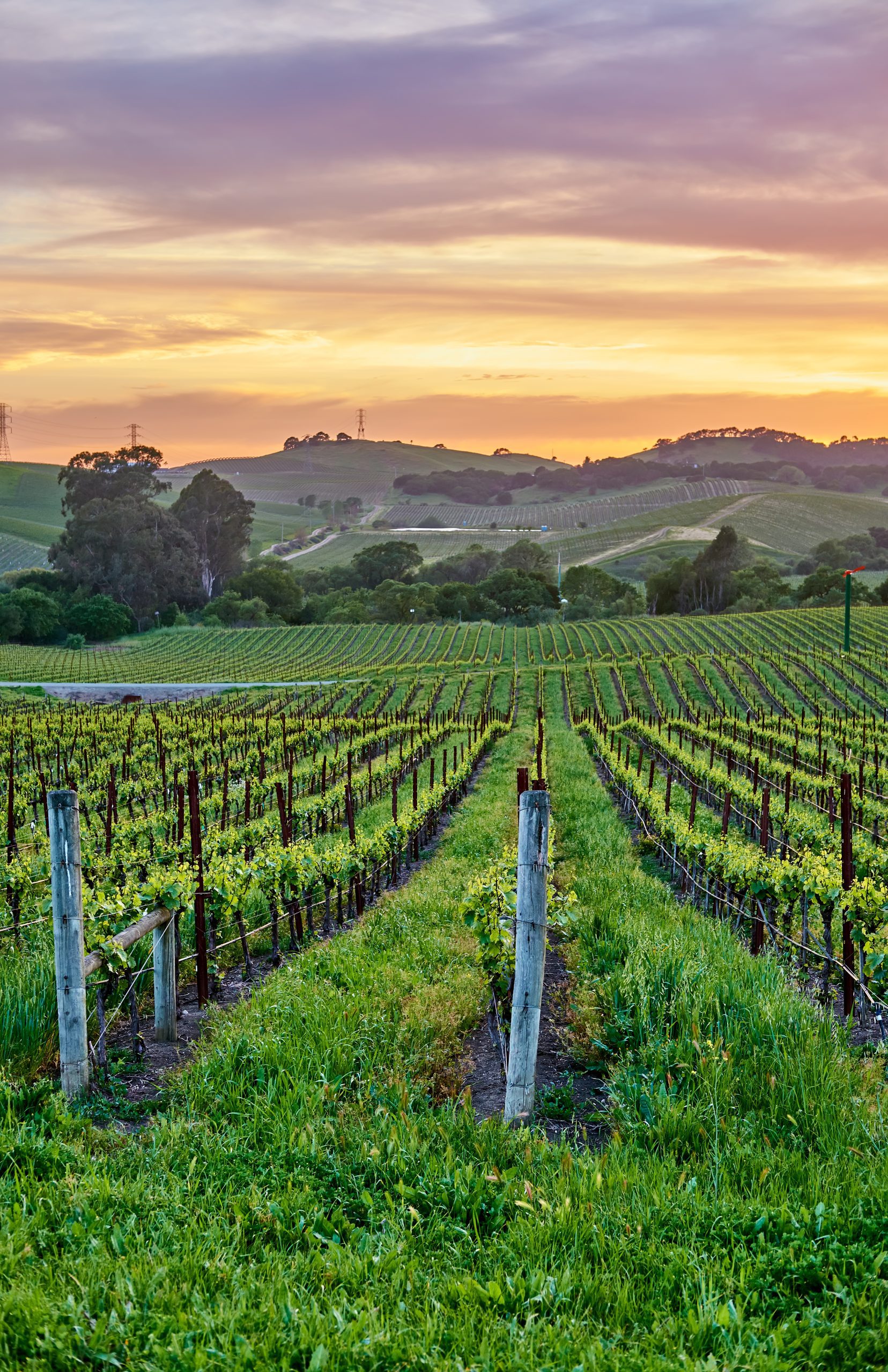
American wine history accelerated in the 19th century with European immigrants, but Napa Valley wines rose to fame after the 1976 Judgment of Paris, where California outperformed French counterparts in a blind tasting. Napa’s volcanic soils and sunny climate suit Cabernet Sauvignon and Chardonnay, producing opulent reds and buttery whites. The significance of Napa Valley lies in its entrepreneurial spirit, post-Prohibition revival in the 1930s transformed it into a tourism hub, symbolizing American innovation and luxury. Sonoma, nearby, offers diverse microclimates for Pinot Noir, emphasizing sustainability and artisanal craft.

Australia: From Barossa to Margaret River
Australia’s wine regions began with British settlers in 1788, but Barossa Valley’s German immigrants in the 1840s established Shiraz as a star. Old vines, some over 100 years, produce concentrated reds amid a hot, dry climate. The meaning behind Barossa wines is heritage preservation, with families maintaining traditions that highlight Australia’s bold, generous character. Margaret River, in Western Australia, specializes in Cabernet blends and Chardonnay, influenced by Bordeaux styles since the 1960s. Its coastal breezes create elegant wines, representing the country’s shift toward premium quality and environmental stewardship.
South America: Argentina and Chile’s
Rise in Argentina, Mendoza’s Malbec thrives at Andean high altitudes, introduced by French agronomists in the 1850s. The region’s irrigation from mountain snowmelt defies arid conditions, with wines symbolizing passion and gaucho culture, robust reds perfect for asados (barbecues). Chile’s wine history dates to Spanish conquistadors in the 16th century, but modern acclaim comes from valleys like Maipo and Colchagua. Carmenère, once mistaken for Merlot, embodies rediscovery, producing spicy reds that reflect Chile’s seismic landscapes and resilient spirit.
South Africa: Stellenbosch’s Colonial Legacy
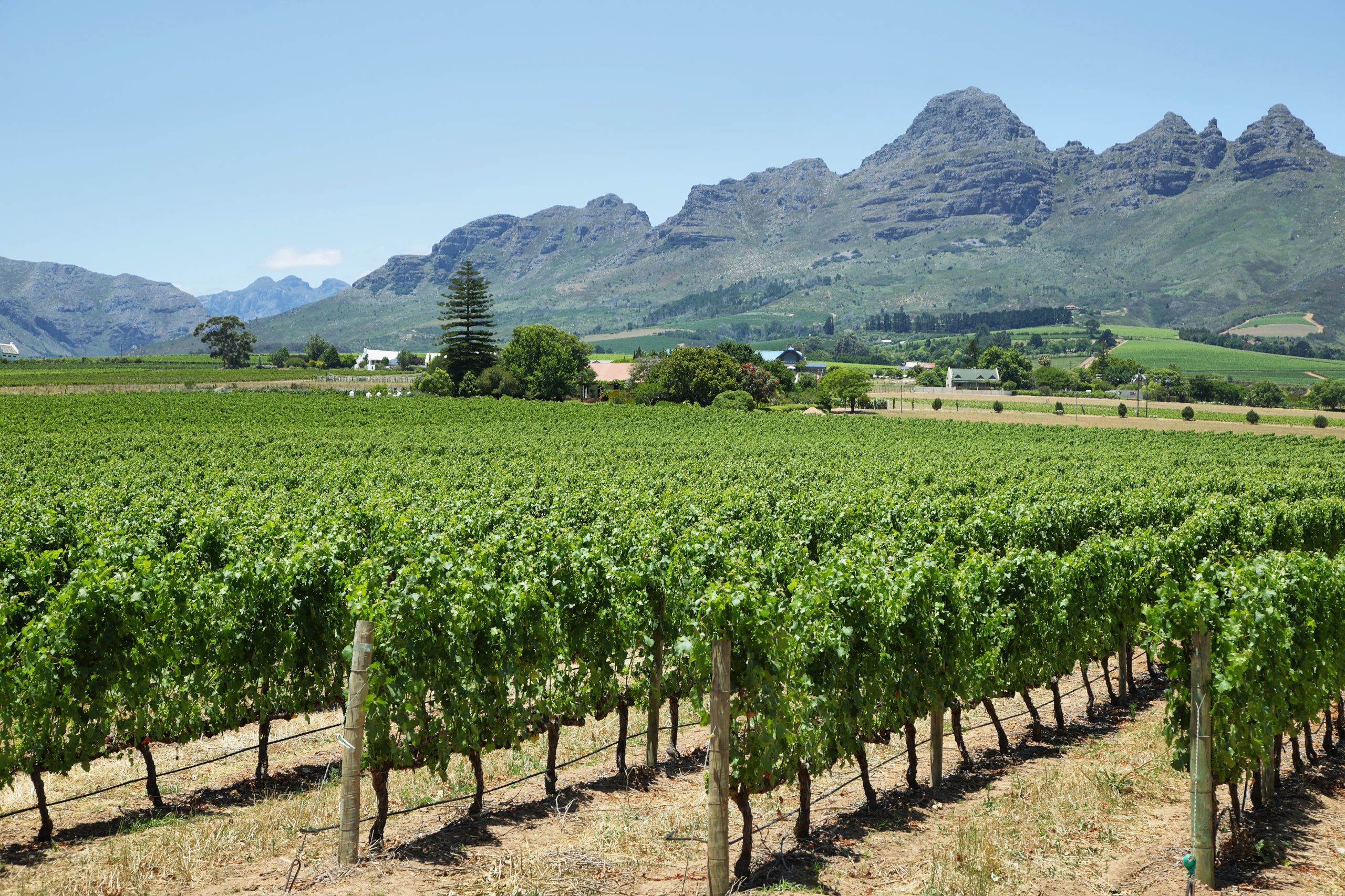
South Africa’s Stellenbosch, founded by Dutch settlers in 1679, blends Old and New World styles. Chenin Blanc and Pinotage (a local cross) dominate, with history marked by apartheid-era isolation and post-1990s renaissance. The meaning here is transformation, wines that honour biodiversity (like the Cape Floral Kingdom) while fostering social equity through initiatives like fair trade.
The Global Impact and Future of Wine Regions
The history and meaning behind these popular wine regions extend beyond bottles; they influence economies, tourism, and even climate discussions. Wine production faces challenges like global warming, prompting adaptations such as higher-altitude planting. Yet, the cultural significance endures, wine fosters connections, from French bistros to Australian barbecues. As consumers seek sustainable and authentic experiences, these regions continue to evolve, blending ancient wisdom with innovation.
Exploring famous wine regions reminds us that each glass holds a piece of the world’s story. Whether savouring a Bordeaux red wine or a Napa Cabernet, the journey through wine history enriches our appreciation. For more insights into the best wine regions, visit Jean Juviniere’s collection and discover your next favourite vintage.