 Fine Branded Corporate Gifts
  Card Wine Boxes
 Wooden Wine Boxes
 Leather Wine Boxes
 Wine Hamper
 Champagne Gifts
 All Wine
 Red Wine
 White Wine
 Rose Wine
 Sparkling Wine
 France
 Spain
Spain Rioja
Rioja Veneto
 Business Anniversary Wine Gift
 Christmas Wine Gifts
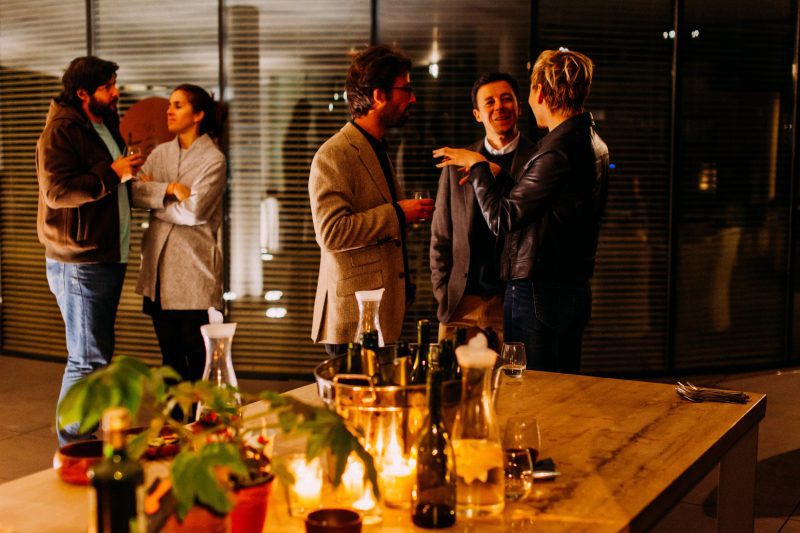 Corporate Wine Tasting
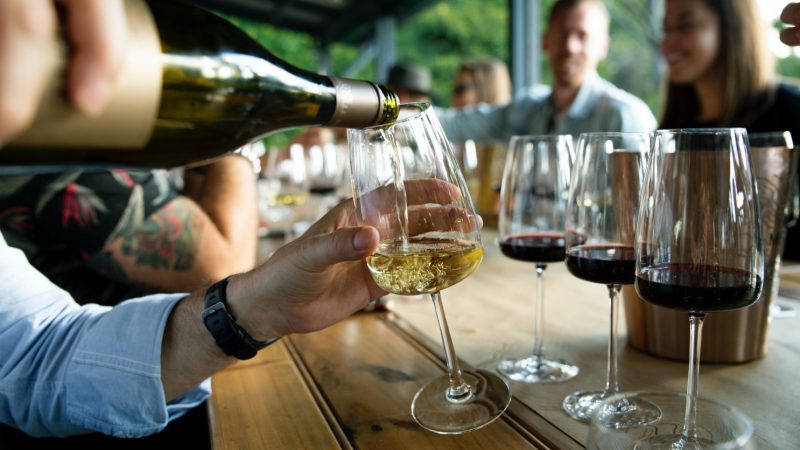 Company Events
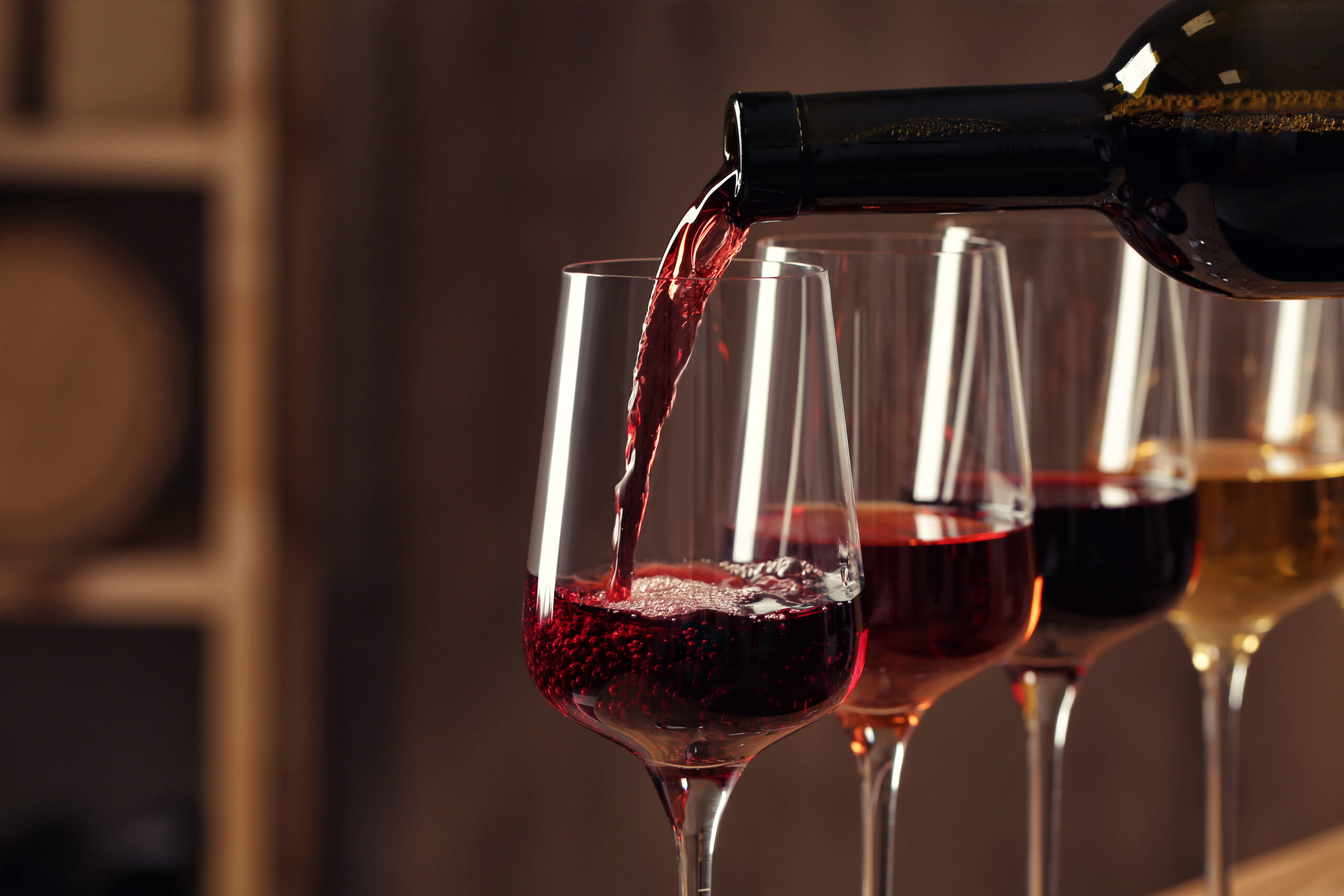
Old World vs New World Wines

< Blogs < Old World vs New World Wines
Wine has captivated humanity for millennia, serving as a bridge between culture, history, and sensory pleasure. For enthusiasts and casual drinkers alike, one of the most enlightening distinctions in the world of wine is between Old World and New World styles. This divide goes beyond geography, it reflects centuries of tradition versus innovation, subtle terroir-driven expressions versus bold fruit-forward profiles, and strict regulations versus creative freedom.
At Jean Juviniere, a family-run business since 1978 specialising in sourcing premium fine wines, we celebrate these differences daily. With roots in importing exceptional wines, particularly from France and other European regions, we help businesses and individuals discover wines that tell compelling stories. Whether you’re selecting corporate wine gifts or exploring for personal enjoyment, understanding Old World versus New World can elevate your appreciation and choices.
A Brief History: Roots in the Old World
The story of wine begins in the Old World, encompassing Europe, parts of North Africa, and the Middle East, regions where viticulture originated thousands of years ago. Archaeological evidence points to winemaking in Georgia and Iran as early as 6000–8000 BCE, spreading through ancient civilisations like the Egyptians, Greeks, Phoenicians, and Romans.
The Romans, in particular, were masterful viticulturists. They planted vineyards across their empire, from the Iberian Peninsula to Gaul (modern France), establishing many of today’s iconic regions. Monasteries preserved and refined techniques during the Middle Ages, while the 18th and 19th centuries saw classification systems emerge, such as France’s 1855 Bordeaux Classification and Italy’s DOC/DOCG regulations.
Old World winemaking is deeply tied to terroir, the unique combination of soil, climate, topography, and human tradition in a specific place. Regulations are often strict: in many European appellations, grape varieties, yields, and winemaking methods are tightly controlled to preserve regional character. Wines are typically labelled by place (e.g., Chablis, Chianti, Rioja) rather than grape variety.
Key Old World regions include:
- France: Bordeaux (Cabernet Sauvignon/Merlot blends), Burgundy (Pinot Noir and Chardonnay), Rhône Valley (Syrah/Grenache), Champagne, and Alsace.
- Italy: Tuscany (Sangiovese in Chianti), Piedmont (Nebbiolo in Barolo), Veneto (Prosecco and Amarone).
- Spain: Rioja and Ribera del Duero (Tempranillo), Priorat.
- Portugal: Douro Valley (Port), Vinho Verde.
- Others: Germany (Riesling), Austria, Greece, and Hungary.
These wines often emphasise elegance, balance, and food-friendliness over immediate fruit explosion.
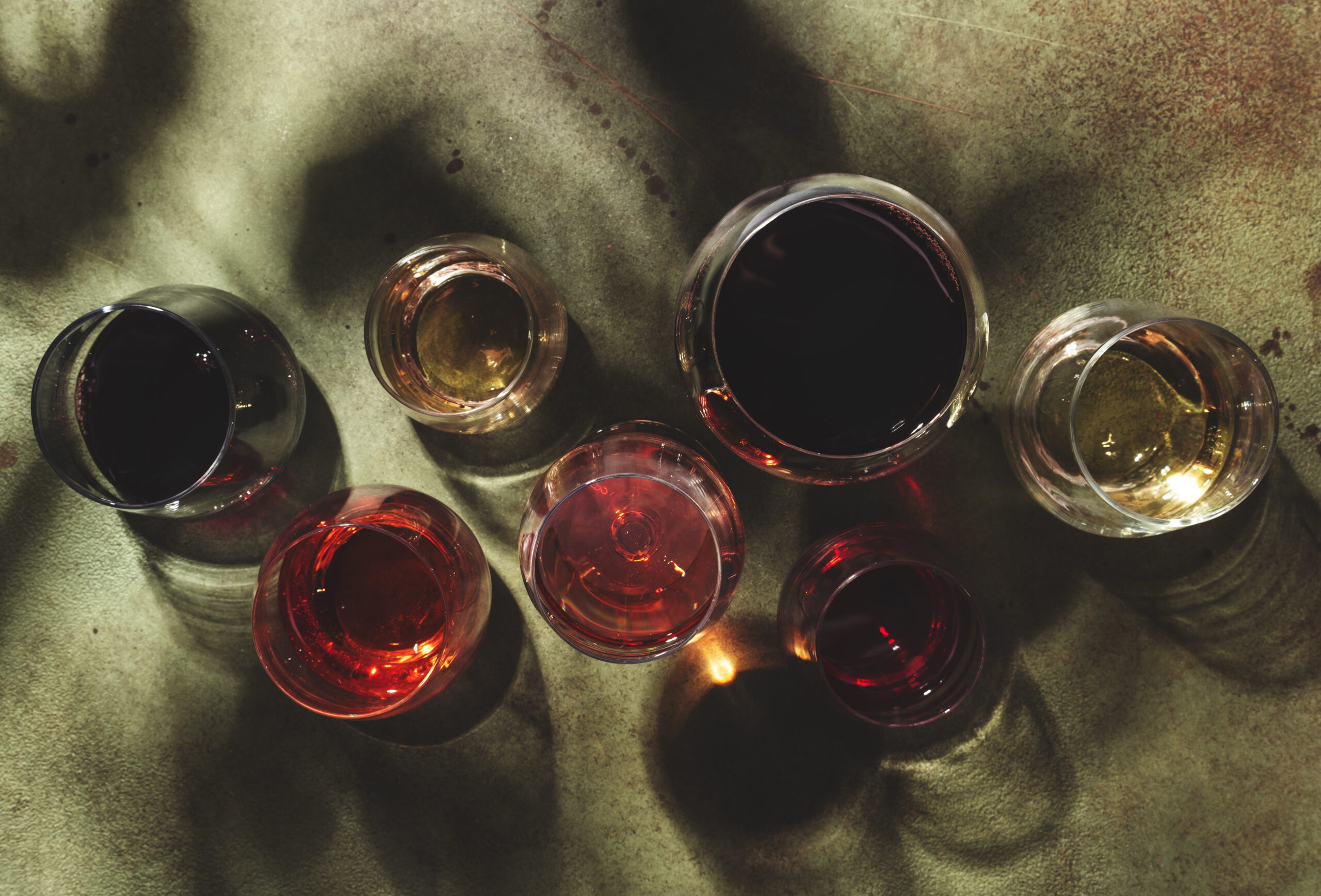
The Rise of the New World
New World wines come from regions where European settlers introduced Vitis vinifera grapes during colonisation and exploration. This includes the Americas, Australia, New Zealand, South Africa, and parts of Asia. While indigenous peoples had fermented beverages, modern winemaking arrived with Europeans in the 16th–18th centuries.
Spanish missionaries planted vines in California and South America in the 1500s–1700s. British and Dutch settlers brought vines to Australia and South Africa in the 17th–19th centuries. The New World wine industry exploded in the 20th century, particularly after technological advances and the 1976 “Judgment of Paris,” where California wines outperformed French ones in a blind tasting. This event legitimised New World producers globally.
New World winemaking is generally less regulated, allowing experimentation with grape varieties, blending, oak usage, and techniques. Labels often highlight the grape (e.g., “Napa Valley Cabernet Sauvignon”) rather than just the region. Climates tend to be warmer and more consistent in many areas, leading to riper grapes.
Prominent New World regions:
- United States: Napa and Sonoma (California—Cabernet, Chardonnay, Zinfandel), Willamette Valley (Oregon—Pinot Noir), Washington State.
- Australia: Barossa Valley (Shiraz), Margaret River (Cabernet), Hunter Valley.
- New Zealand: Marlborough (Sauvignon Blanc), Central Otago (Pinot Noir).
- South America: Mendoza (Argentina—Malbec), Maipo and Colchagua Valleys (Chile—Cabernet, Carmenère).
- South Africa: Stellenbosch (Cabernet, Pinotage).
Key Differences in Style and Characteristics
The stylistic contrasts stem from climate, tradition, soil, and philosophy:
1. Flavour Profile and Aromas:
- Old World: Earthy, mineral, herbal, and savoury notes dominate. Think wet stone, leather, tobacco, dried herbs, and subtle red or black fruit. Acidity shines, providing lift and longevity. Flavours are nuanced and unfold with time in glass or bottle.
- New World: Pronounced fruit—ripe berry, tropical, jam-like, or exotic. Oak influence (vanilla, spice, toast) is more common. Flavours are upfront and bold.
2. Body, Alcohol, and Acidity:
- Old World: Lighter to medium body, lower alcohol (often 12–13.5%), higher natural acidity. This creates refreshing, structured wines perfect with meals.
- New World: Fuller body, higher alcohol (14%+), softer acidity due to riper grapes. They feel richer and more opulent.
3. Terroir vs. Varietal Focus:
- Old World prioritises where over what. A Bordeaux from different châteaux tastes distinct due to specific plots.
- New World emphasises grape variety and winemaker vision, allowing site-specific expressions but with more uniformity within varieties.
4. Winemaking Practices:
- Old World: Traditional methods, neutral oak or large barrels, minimal intervention, longer ageing potential.
- New World: Modern tech (temperature control, cultured yeasts), new oak barrels for flavour, earlier drinkability.
5. Food Pairing:
- Old World wines excel with complex cuisines; roasts, cheeses, earthy dishes, due to acidity and subtlety.
- New World stands alone or pairs with grilled meats, spicy foods, or bold flavours.
Climate plays a huge role. Cooler Old World climates preserve acidity; warmer New World ones concentrate sugars.
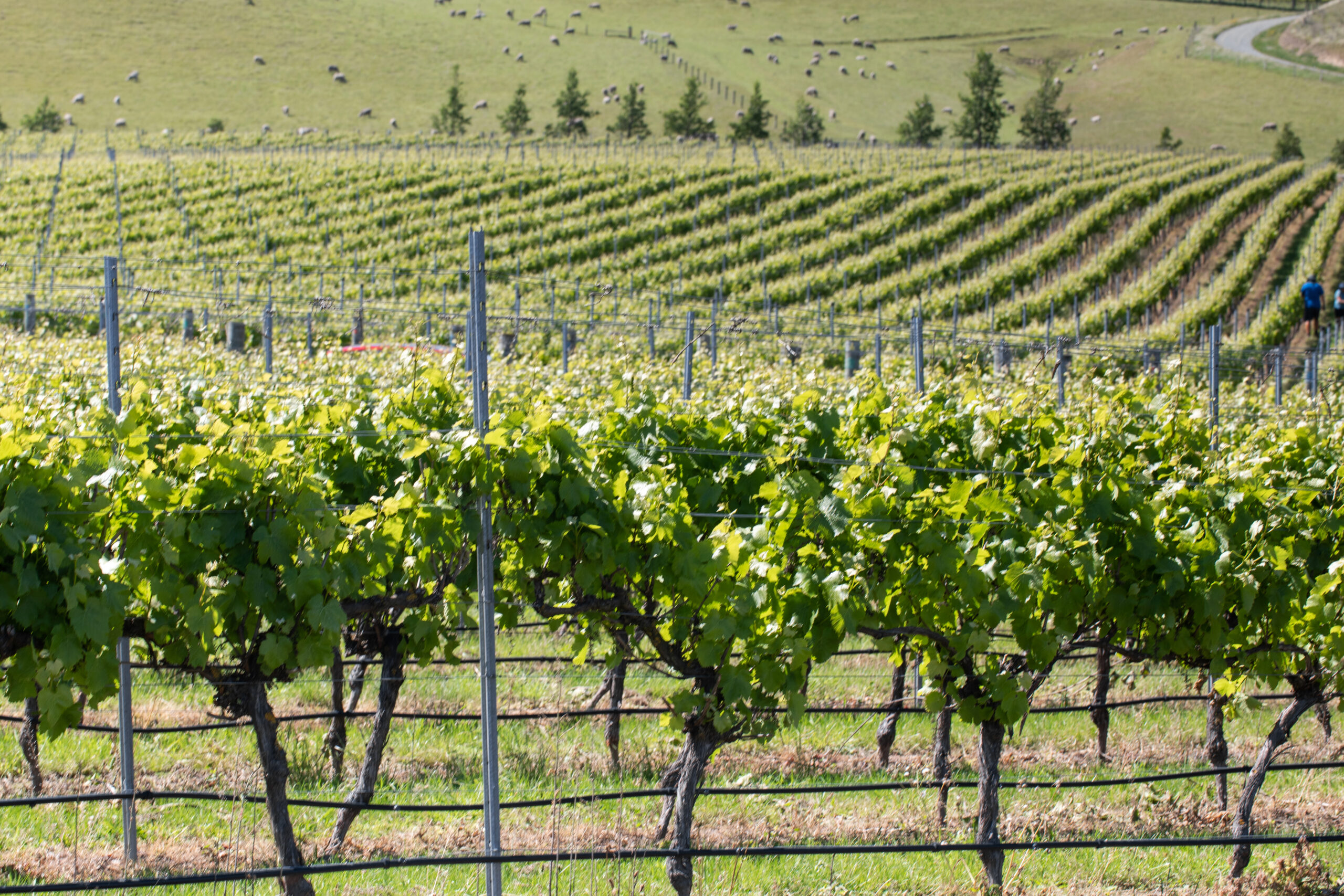
Blurring the Lines: Modern Cross-Pollination
Today, the divide is less rigid. Old World producers experiment with riper styles and new oak, while New World winemakers pursue elegance, higher acidity, and terroir focus (e.g., cool-climate Australian Pinot or Chilean “Old World-style” wines). Global warming, improved viticulture, and travel have inspired hybrids. Many “international” styles exist in both worlds.
Why It Matters for You: Choosing and Gifting
Understanding these differences helps you select wines that match occasions and preferences. For a refined corporate gift or milestone celebration, an elegant Old World Bordeaux or Burgundy offers sophistication and heritage. For vibrant, approachable options, New World Malbec or Sauvignon Blanc delivers immediate pleasure.
At Jean Juviniere, our expertise lies in curating exceptional Old World selections, Haut-Pougnan Bordeaux, fine French wines from Bordeaux, Burgundy, Rhône, alongside Italian and Spanish gems. These medal-winning wines from small producers embody tradition while delivering outstanding quality. Our personalised leather boxes, wooden cases, and treasure chests make them perfect for business gifting, with options for company branding.
We also offer corporate wine tastings where experts like Claire and Steven guide you through flights, comparing Old World restraint with New World exuberance. Discover why a classic French Cabernet blend differs from a New World counterpart in structure and pairing potential. Whether in your office or a private event, these sessions educate and delight, up to 8–15 participants.
Exploring Further with Jean Juviniere
Our collection highlights the best of the Old World while appreciating global excellence. From single-bottle luxury gifts to mixed cases of Italian or French wines, we source directly for freshness and value. Popular choices include our double wooden boxes with Lichine wines or premium treasure chests, ideal for expressing appreciation to clients or rewarding teams.
Wine education demystifies choices. Next time you open a bottle, note the label: place-first (Old World) or grape-first (New World). Swirl, smell, sip, does it whisper terroir or shout fruit? Both have merits; the joy lies in exploration.
As wine lovers ourselves, we at Jean Juviniere believe the Old World provides the foundation of excellence, while the New World brings innovation and accessibility. Together, they enrich our tables and celebrations. Whether you’re building a corporate gifting programme or curating a personal cellar, let us help you navigate these worlds with confidence.
Ready to explore? Browse our fine wine selection or book a tasting. Contact our team to discover how the perfect bottle, rooted in history or bursting with modernity, can make your next occasion unforgettable.
In a world of endless options, understanding Old versus New World isn’t just educational, it’s the key to more rewarding sips and meaningful gifts. Cheers to discovery!